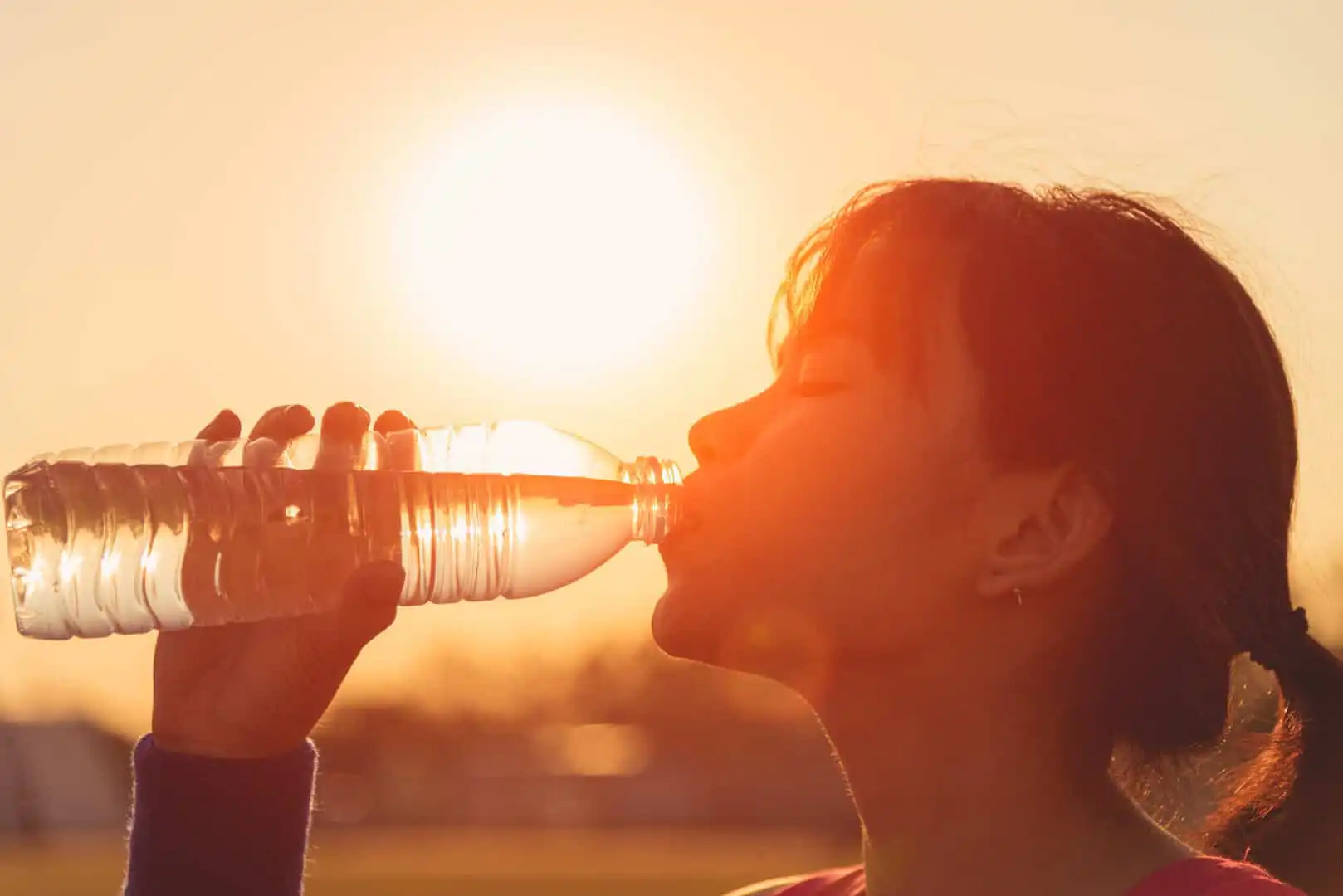
Summer is the perfect time to enjoy outdoor activities, but rising temperatures can also increase your risk of heat-related illnesses. Whether you’re working outside, exercising, attending community events, or simply spending time in the sun, it’s important to recognize the warning signs of heat exhaustion and heat stroke before they become serious.
Knowing how to stay safe in hot weather can help protect you and your family all summer long.
What Causes Heat-Related Illness?
Your body naturally cools itself by sweating. When temperatures are high, humidity is elevated, or you’re physically active for long periods, your body may struggle to regulate its temperature. As dehydration sets in, heat-related illnesses can develop quickly.
While anyone can experience heat illness, certain groups are at higher risk.
Who Is Most at Risk?
Heat-related illnesses are more common among:
- Adults over age 65
- Infants and young children
- People with heart disease, diabetes, or other chronic health conditions
- Individuals taking medications that affect hydration or body temperature
- Outdoor workers
- Athletes and people exercising in hot weather
- Anyone without access to air conditioning during extreme heat
If you fall into one of these groups, you should take extra precautions whenever temperatures rise. For example, if you have heart disease or another cardiovascular condition, it’s especially important to take precautions during periods of extreme heat. Regular care from a cardiologist in Newburgh, NY can also help ensure your heart is healthy enough to handle the added stress that high temperatures can place on your cardiovascular system
Heat Exhaustion Symptoms
Heat exhaustion occurs when your body loses excessive water and salt through sweating. Without treatment, it can progress to heat stroke.
Common heat exhaustion symptoms include:
- Heavy sweating
- Cool, pale, clammy skin
- Muscle cramps
- Weakness or fatigue
- Dizziness or lightheadedness
- Headache
- Nausea or vomiting
- Fast, weak pulse
- Fainting
If you notice these symptoms, move to a cool place immediately, drink water or a sports drink, loosen or remove extra clothing, and apply cool, wet cloths to your skin.
If symptoms last longer than an hour, worsen, or vomiting prevents you from keeping fluids down, seek medical care promptly. Receiving prompt evaluation at our urgent care center in Newburgh, NY can help prevent heat exhaustion from becoming more serious.
Heat Stroke Is a Medical Emergency
Heat stroke occurs when the body’s temperature rises to dangerous levels and it can no longer cool itself. This condition can quickly damage the brain, heart, kidneys, and other organs.
Signs of heat stroke include:
- Body temperature of 103°F or higher
- Hot, red, dry skin or excessive sweating
- Confusion or difficulty speaking
- Loss of consciousness
- Seizures
- Rapid, strong pulse
- Severe headache
Call 911 immediately if you suspect someone is experiencing heat stroke.
While waiting for emergency responders:
- Move the person to a shaded or air-conditioned area.
- Remove excess clothing.
- Cool the body with cold towels, ice packs, or cool water if available.
- Do not force fluids if the person is unconscious or confused.
Heat Stroke Prevention Tips
Fortunately, most heat-related illnesses can be prevented with a few simple precautions.
Stay Hydrated
Drink water throughout the day, even if you don’t feel thirsty. If you have a chronic medical condition or take medications that affect hydration, talk with your primary care provider about how much fluid you should drink during hot weather. Avoid excessive alcohol and limit sugary or highly caffeinated beverages, which can contribute to dehydration.
Dress for the Weather
Wear lightweight, loose-fitting, light-colored clothing that allows sweat to evaporate more easily.
Avoid Peak Heat
Whenever possible, schedule outdoor work or exercise during the early morning or evening hours when temperatures are cooler.
Take Frequent Breaks
If you’re working or exercising outside, rest in the shade or an air-conditioned space regularly.
Never Leave Children or Pets in Vehicles
The temperature inside a parked car can become life-threatening within minutes, even if the windows are cracked.
Protect Yourself from the Sun
Wear sunscreen, sunglasses, and a wide-brimmed hat when spending extended time outdoors. Sunburn makes it harder for your body to cool itself.
Check on Friends and Family
Older adults and people living alone may not recognize the signs of heat illness. During heat waves, check in regularly to make sure they are staying cool and hydrated.
When Should You Visit Urgent Care?
Many cases of mild heat exhaustion improve with rest, hydration, and cooling. However, you should seek medical care if you experience:
- Persistent dizziness or weakness
- Repeated vomiting
- Symptoms lasting longer than one hour
- Difficulty walking
- Signs of dehydration that do not improve
- Worsening symptoms despite cooling efforts
If you are dealing with heat exhaustion symptoms that are not improving with rest, fluids, and cooling measures, an urgent care center can evaluate your condition, check for dehydration, monitor your vital signs, and determine whether additional treatment is needed.
For patients in the Newburgh area, Cornerstone Family Healthcare’s urgent care in Newburgh, NY provides walk-in care for non-life-threatening symptoms such as dizziness, weakness, nausea, muscle cramps, headache, and dehydration concerns. The urgent care team can also help determine whether your symptoms require a higher level of emergency care, especially if there are signs that heat exhaustion may be progressing toward heat stroke.
Stay Safe This Summer
A little preparation, regular primary care visits with our team of family medicine providers, and recognizing the early warning signs of heat-related illness can help you safely enjoy everything summer has to offer. By staying hydrated, limiting time in extreme heat, and recognizing the early warning signs of heat exhaustion, you can safely enjoy everything summer has to offer.
If you or a loved one develops concerning heat exhaustion symptoms, don’t wait. The medical team at Cornerstone Family Healthcare is here to provide prompt evaluation and treatment. If symptoms suggest heat stroke, call 911 immediately, as emergency care is critical. If you need medical care for heat exhaustion or other non-life-threatening illnesses or injuries, Cornerstone Family Healthcare’s Urgent Care in Newburgh, NY is here to help. Walk-ins are always welcome, or you can schedule an appointment online to save time. Our experienced providers are ready to help you get the care you need so you can get back to feeling your best.
To learn more about staying safe during extreme heat, explore these trusted resources for additional heat-related illness prevention tips:
https://www.weather.gov/safety/heat
https://www.cdc.gov/heat-health/about/index.html
Important Notice: The information on this blog is provided for general informational purposes only. While Cornerstone Family Healthcare strives to offer accurate and up-to-date content, it is not intended to replace professional medical care, advice, or treatment. Always consult a healthcare professional with any questions regarding your health, wellness, or medical conditions.